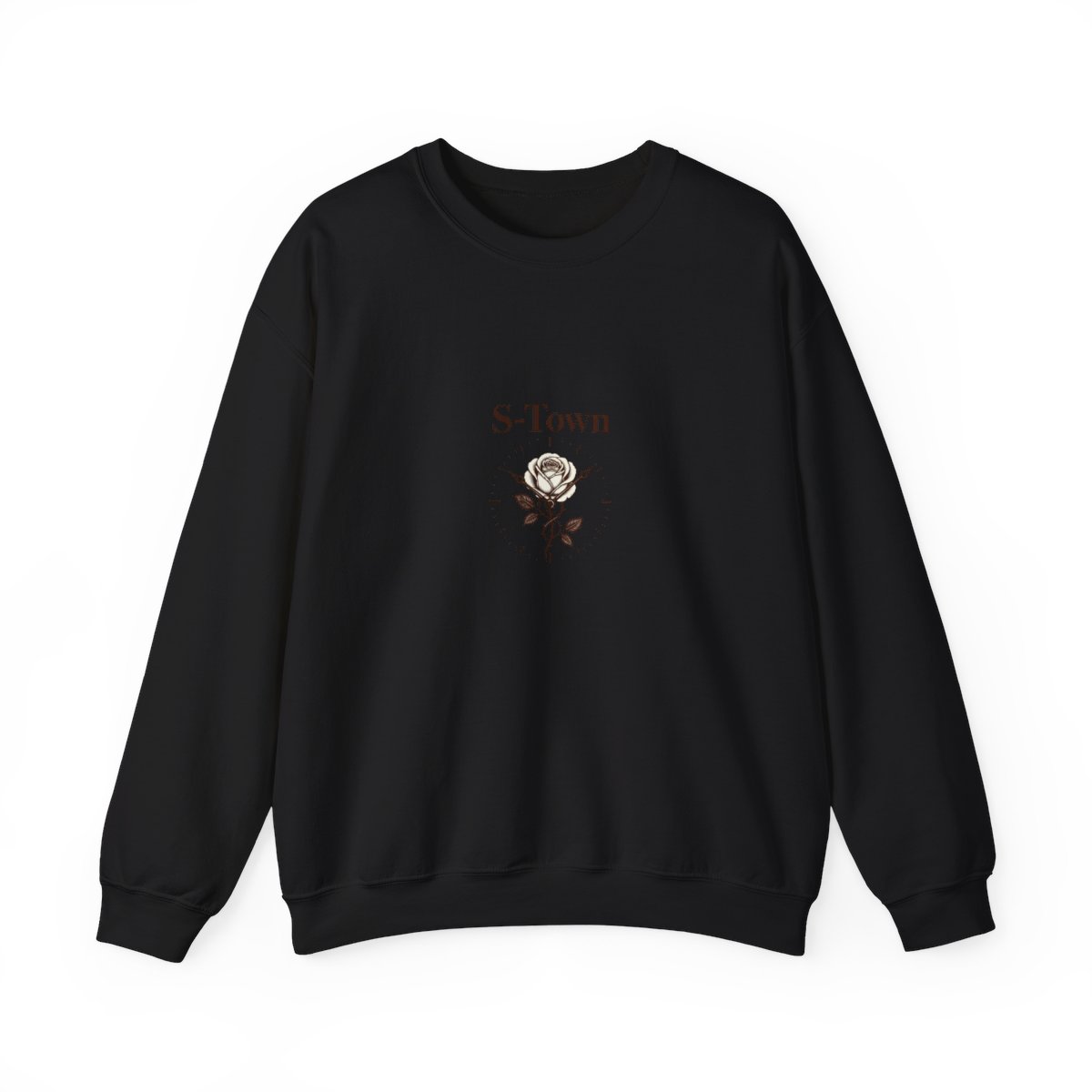
Why Fabric Quality Matters in S-Town T-Shirts
When you wear a t-shirt with the S-Town aesthetic, it's more than just clothing - it's a statement. The fabric determines how the shirt feels against your skin, how it holds up after repeated wear, and whether the design stays vibrant. Cheap fabric leads to pilling, fading, and that dreaded stretched-out collar. Nobody wants to spend $30 on a shirt that looks worn out after three washes.
What Sets Quality Fabrics Apart
Three factors define a great tee: fiber quality, weave density, and finishing treatments. S-Town sources their blanks from renowned mills known for long-staple cotton which resists fraying. The 30-single yarn count on their classic tees strikes a balance between softness and structure - fine enough to feel smooth, thick enough not to be see-through.
The Problem with Low-Cost Alternatives
Mass-produced shirts often use short-fiber cotton that sheds lint and pills quickly. Their prints are applied with low-grade plastisol that cracks. S-Town avoids these pitfalls by partnering with suppliers that prioritize quality control. In my experience evaluating hundreds of tees, the difference in hand feel and longevity is measurable.
How to Check Fabric Quality Yourself
- Look for a high thread count (30+ singles for cotton)
- Check if the fabric has a smooth surface without fuzz
- Hold it up to light - good fabric is opaque, not translucent